
Claims playbook · General · South Africa
Common Claims Mistakes
Prevent avoidable claim delays by preserving a factual chronology, following product-specific notification and authorisation rules, and answering requests with indexed evidence rather than guesses or duplicates.
This guide explains the common errors that cause claim delays, denials or back-and-forth with the insurer.
Reviewed 20 July 2026 · General education, not personal financial advice
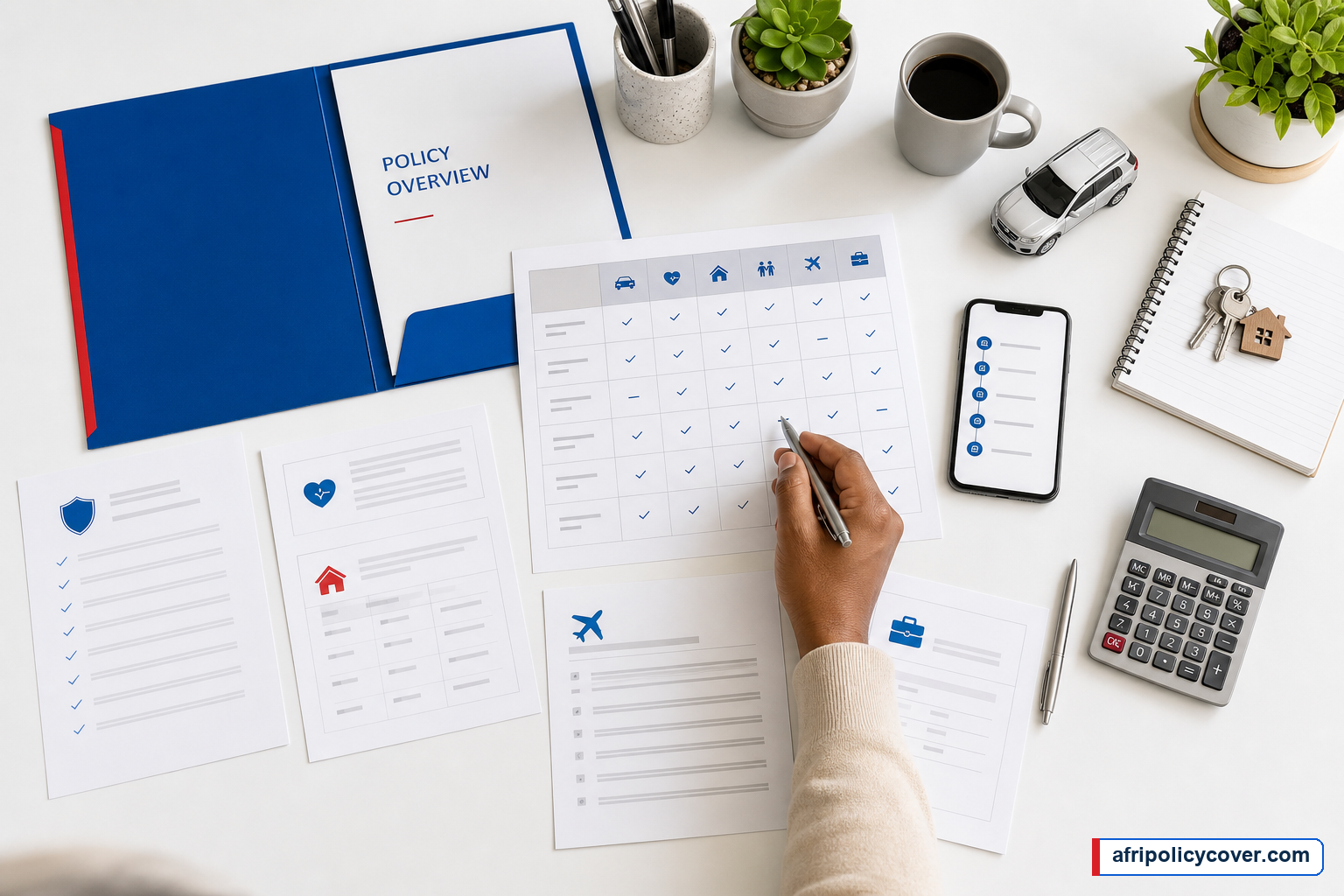
Claims file example
Trace one event from evidence to review
A hypothetical motor claimant gives a brief phone report, later changes the event time from memory and authorises repairs before inspection. The underlying collision may be insured, but the inconsistent chronology and lost damage evidence require extra investigation. A contemporaneous note, photographs and approved repair route would make the same claim easier to evaluate without changing the facts.
Decision flow
Control the record from the first notification
Use the sequence as a working record, then confirm product-specific duties in the current provider documents.
-
Write known facts
Record time, place, people, condition and immediate action without deciding uncertain cause
-
Check the policy route
Use the verified notification, towing, treatment, repair or assistance process
-
Preserve originals
Keep source photos, reports, receipts, messages and damaged items where practical
-
Index each submission
Name documents clearly and record request, submission date and receipt
-
Correct openly
Explain any factual error promptly and preserve the chronology of the correction
Claims foundation
Separate the contract issue from the evidence issue
What it means
Claims mistakes are avoidable actions or record gaps that make an otherwise valid assessment slower or less reliable. Common examples include late notification, unsafe or unauthorised repair, discarded evidence, inconsistent descriptions, missing ownership proof and ignored requests. They do not mean every delayed or rejected claim is the claimant's fault; the provider must still assess fairly and explain decisions.
South African context
South African claim duties vary by policy. Motor towing, medical-scheme authorisation, funeral death records and business circumstance notifications are not interchangeable. Use the provider's verified channel and protect sensitive information. If the insurer requests irrelevant or excessive data, ask why it is needed and use the complaint process where appropriate.
Claims controls
Track the moments and language that can change the outcome
When to reopen this decision
- Immediately after an eventWrite a factual chronology while details are fresh
- Before repair or disposalConfirm evidence and authorisation requirements
- Provider requests informationRespond once with an indexed document pack
- A discrepancy is foundCorrect it promptly and explain the source
Terms in this guide
- Late notification
- Reporting after the contract's required or reasonable period
- Prejudice
- Material harm to the insurer's ability to investigate or manage the claim
- Unauthorised repair
- Permanent work arranged outside the required approval process
- Inconsistent statement
- Two versions of a material fact that require clarification
Policy verification
Test each request before sending more information
| Policy detail | Question to resolve |
|---|---|
| Purpose | Which claim issue will the requested record help the assessor resolve? |
| Format | Is an original, certified copy, photograph, invoice, report or form required? |
| Deadline | What contractual or reasonable date applies and can an extension be agreed? |
| Privacy | Is the destination verified and is all requested personal information necessary? |
| Completion | Will the provider confirm that the claim file is complete or identify the remaining item? |
Cover comparison
Compare common mistakes with the better control
| Comparison point | Why it changes the decision |
|---|---|
| Late notification | Report promptly or document why immediate notice was not reasonably possible |
| Evidence disposal | Ask before discarding, replacing or permanently repairing an item needed for assessment |
| Inconsistent account | Separate observed facts, estimates and later corrections instead of filling memory gaps |
| Unauthorised supplier | Confirm approved towing, repair, medical or assistance arrangements where required |
| Missed request | Track outstanding items and ask for clarification when a request is unclear or excessive |
What it means
Distinguish an honest correction from a preventable evidence gap
What causes claims delays and rejections.
What this guide helps you do
- Lists the frequent claim submission mistakes
- Shows how to prepare a complete claim file
- Teaches users to keep records from the start
Who should use this guide
- First-time buyers
- People comparing quotes
- Readers checking the policy wording
Balanced view
Potential benefits and limitations
Where this approach helps
- Faster issue identification: An indexed file makes genuine gaps easier to see
- More credible corrections: Openly documented changes are clearer than silent replacements
- Useful complaint record: The chronology shows delay, requests and responses without reconstruction
Where caution is needed
- Some delays are provider-side: Good claimant records do not excuse unreasonable handling
- Duties vary: A generic checklist must be adapted to the relevant product wording
- Evidence can be unavailable: The claimant may need to explain a reasonable alternative rather than invent one
Avoidable mistakes
Check these points before you commit
- Guessing a material fact: Uncertainty should be labelled instead of converted into a confident answer
- Sending all files repeatedly: Duplicates can obscure which request remains unresolved
- Using an unverified contact: Sensitive claim records can be exposed to impersonation or fraud
Trust and verification
Use the guide, then verify the contract
AfriPolicyCover does not sell this product or provide personal recommendations. Confirm the legal provider, policy wording, schedule, disclosures and complaint route before proceeding.
Related cover
Apply this knowledge to an insurance category
Questions answered
Frequently asked questions
What will I learn from Common Claims Mistakes?
The guide explains the decision, comparison points, common limitations and practical checks to complete before choosing cover.
Is this guide personal financial advice?
No. It is general South African insurance education and cannot account for individual needs, affordability or underwriting.
Should I rely on a premium alone?
No. Compare the cover, limits, exclusions, excesses, waiting periods and claim process on the same assumptions.
Which document controls my cover?
The provider's current policy wording, schedule and written disclosures control the contract, subject to applicable law.
How can I check a financial services provider?
Use the FSCA's authorised financial services provider search and confirm the entity and licence details shown in the provider disclosure.
Are AfriPolicyCover provider links active?
Not yet. AfriPolicyCover will identify and disclose verified provider destinations before outbound comparison links are enabled.